


 Hartford, WI

Australian Labradoodles
The Ultimate Guide to Australian Labradoodles 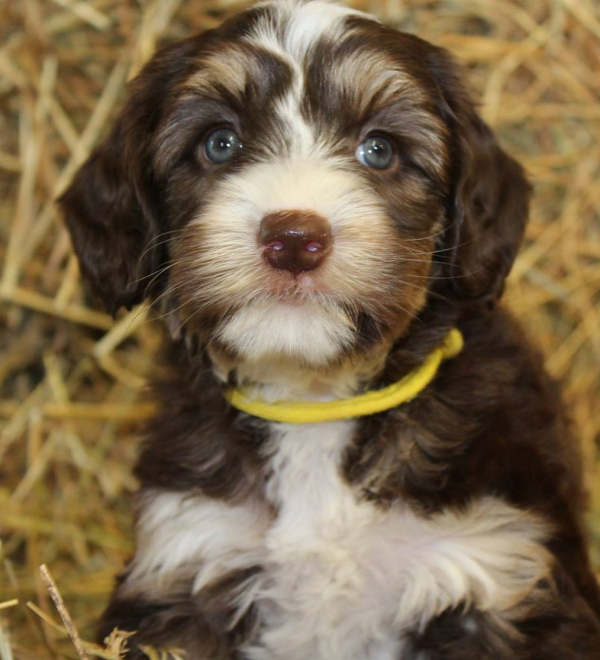
Australian Labradoodles have become increasingly popular in recent years, known for their friendly temperament, intelligence, and low-shedding coats. This comprehensive guide will explore everything you need to know about the beloved breed, from their origins to care requirements.
- What Is An Australian Labradoodle?
- Breed History
- Parent Breeds & Genetic Makeup
- Australian Labradoodle vs Other Labradoodle Breeds
- Life Expectancy
- Traits and Health
- Sizes
- Color and Coats
- Allergies and Shedding
- Personalities
- Energy and Exercise
- Male vs Female
- Training and Crating
- Bathing and Grooming
- Cost
- Food
- Names
- Breed Jargon
- Australian Labradoodle Overview
- Adopt A Puppy


What Is An Australian Labradoodle?
An Australian Labradoodle is a cross between a Labrador Retriever and a Poodle, with additional breeds mixed in over generations. Unlike standard Labradoodles, Australian Labradoodles have a more complex genetic makeup, resulting in a more consistent appearance and temperament. Labradoodles are known for their:
- Friendly and affectionate nature
- High intelligence
- Low-shedding, allergy-friendly coats
- Versatility as family pets, therapy dogs, and service animals
The History of Australian Labradoodles
The Australian Labradoodle is a story of innovation, compassion and dedication. This beloved breed was developed to serve families, allergy sufferers and service dog handlers looking for an intelligent, affectionate companion. Its history also helps explain the carefully developed lineage behind the breed.
The Origins of the Australian Labradoodle
The Australian Labradoodle’s story begins in the 1980s with Wally Conron, a breeding manager at the Royal Guide Dogs Association of Australia. Conron was approached by a vision-impaired woman in Hawaii who needed a guide dog less likely to trigger her husband’s severe allergies. After testing 33 Poodles without success, Conron crossed a Standard Poodle with a Labrador Retriever.
The result was a litter of three puppies, including Sultan, who proved allergy-friendly for the family. Sultan became the woman’s guide dog and a cherished companion. This important moment marked the beginning of the Labradoodle breed and helped shape its reputation as an intelligent, loving, allergy-conscious family dog.
Consistency in the Breeding Process
While the initial crossbreeding was successful, early Labradoodles lacked consistency in coat type, temperament and appearance. Australian breeders, including Tegan Park and Rutland Manor, helped refine the breed in the 1990s. They introduced additional breeds, including the English Cocker Spaniel, American Cocker Spaniel, Irish Water Spaniel and Curly Coat Retriever, to improve coat quality, temperament and predictability.
Carefully planned infusions helped establish the Australian Labradoodle as a distinct breed known for predictable traits, allergy-friendly coats and a loving temperament. This breeding history is important when understanding what breeds make up an Australian Labradoodle and why the breed differs from earlier-generation Labradoodles.
Parent Breeds of the Australian Labradoodle
The Australian Labradoodle is a carefully developed hybrid breed combining the best qualities of several purebred dogs. If you are wondering what breeds make up an Australian Labradoodle, the following parent breeds contribute to its temperament, coat, intelligence and trainability.
- Labrador Retriever: Friendly, loyal and eager to please, providing a strong foundation in temperament and trainability.
- Poodle: Standard, Miniature or Toy Poodles contribute intelligence, trainability and low-shedding coat qualities.
- English Cocker Spaniel: Adds a cheerful, affectionate nature while helping soften coat texture.
- American Cocker Spaniel: Enhances the breed’s gentle, social personality and manageable coat qualities.
- Irish Water Spaniel: Supports water-loving instincts while strengthening low-shedding coat traits.
- Curly Coat Retriever: Less common in modern lines, but historically used to enhance coat quality and retrieving instincts.
Australian Labradoodle vs Other Labradoodle Breeds 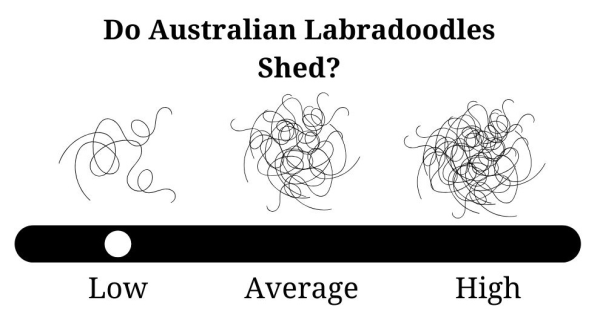
Australian Labradoodles have a more diverse genetic makeup, incorporating breeds like Cocker Spaniels and Irish Water Spaniels, leading to stable traits across generations. They are known for consistent coat types—wool, fleece, and hair—often with the hypoallergenic fleece being the most common. Available in miniature, medium and standard sizes, they fit various living situations. Their temperament is generally predictable, thanks to multi-generational breeding focused on producing friendly, intelligent, and adaptable dogs. When comparing Australian Labradoodles to other popular doodle breeds like American Labradoodles, Bernedoodles, Sheepadoodles and Goldendoodles, several key differences emerge in genetics, size, coat types and temperament.
Australian Labradoodle vs American Labradoodle
Australian Labradoodles have a more diverse genetic background, incorporating breeds like Cocker Spaniels and Irish Water Spaniels, leading to more stable traits. Their coats are more consistent (wool, fleece and hair), and they come in a wider size range. Their temperament is often more predictable due to multi-generational breeding.
Australian Labradoodle vs Bernedoodle
Bernedoodles (Bernese Mountain Dog and Poodle mix) are generally larger (23-29 inches, 70-90 lbs) and have thicker, wavy or curly coats. Australian Labradoodles are available in smaller sizes and are bred for consistent fleece coats. Bernedoodles are calm and loyal, while Australian Labradoodles are more energetic and intelligent.
Australian Labradoodle vs Sheepadoodle
Sheepadoodles (Old English Sheepdog and Poodle mix) are larger (24-27 inches, 60-80 lbs) and have thicker, curly coats. Australian Labradoodles come in a broader size range and are known for their hypoallergenic fleece coats. Sheepadoodles are playful and affectionate, while Australian Labradoodles are more balanced in energy and easier to manage.
Australian Labradoodle vs Goldendoodle
Goldendoodles (Golden Retriever and Poodle mix) have a simpler genetic background but share a similar temperament with Australian Labradoodles. However, Australian Labradoodles are bred for more consistent hypoallergenic fleece coats, and their intelligence and adaptability make them easier to train and manage.
Life Expectancy
With proper care, Australian Labradoodles typically live between 12-15 years. Provide a balanced diet, regular exercise, and routine health check-ups to promote a long and healthy life for your Australian Labradoodle. Factors affecting lifespan include:
- Genetics
- Diet and exercise
- Regular veterinary care
- Environmental factors
Traits and Health
Australian Labradoodles are generally healthy dogs but can be prone to certain health issues. Common health concerns include hip dysplasia, Progressive Retinal Atrophy (PRA), Addison's disease, and ear infections. Regular vet check-ups and a healthy lifestyle can help prevent or manage conditions in Australian Labradoodle health and care.
Sizes
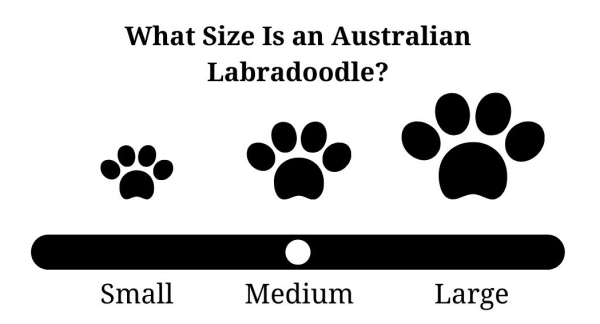
Australian Labradoodles come in various sizes to suit different lifestyles and living situations. Size categories include:
- Miniature: 14-16 inches, 15-25 pounds
- Medium: 17-20 inches, 30-45 pounds
- Standard: 21-24 inches, 50-65 pounds
Find out which size Australian Labradoodle is right for you.
Color and Coats
One of the most appealing aspects of Australian Labradoodles is their variety of colors and coat types. Popular colors include cream, apricot, red, chocolate, black, and parti (multi-colored).
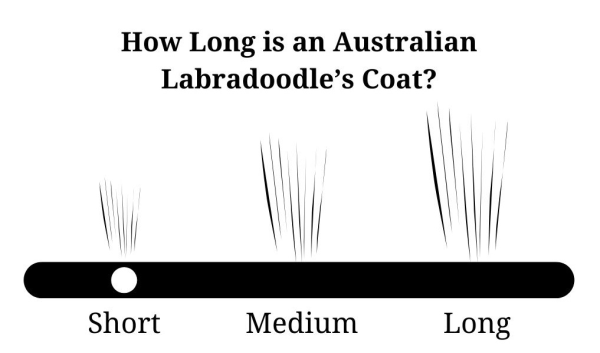
Labradoodles have three distinct coat types, each offering a different texture and appearance:
- Wool coat: Curly and dense, ideal for low-shedding needs.
- Fleece coat: Soft and wavy, offering a luxurious texture.
- Hair coat: Straighter and resembles a Labrador's coat, less common.
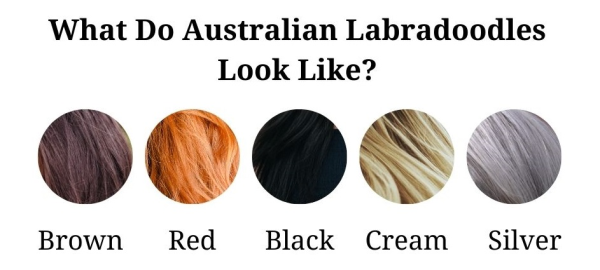
Explore the full range of Australian Labradoodle colors and coats.
Allergies and Shedding
Australian Labradoodles are often considered allergy-friendly dogs because of their low-shedding coats. While no dog is truly 100% hypoallergenic, many families with allergy concerns choose Australian Labradoodles because they typically shed far less than many traditional breeds. Regular grooming, brushing and bathing can also help reduce loose hair, dander and allergens in the home. Individual dogs may vary by coat type, grooming routine and allergen production, so families with allergies should spend time around the breed when possible.
Are Australian Labradoodles Hypoallergenic?
Australian Labradoodles are not completely hypoallergenic, but they are often a strong choice for allergy-sensitive families. Their fleece or wool coats are usually low-shedding, which may help reduce dander spread throughout the home.
Do Australian Labradoodles Shed?
Most Australian Labradoodles shed very little, especially when they have a fleece or wool coat. Regular brushing and professional grooming help keep the coat healthy while limiting loose hair around the house.
Personalities
Australian Labradoodles are beloved for their friendly and adaptable personalities, making them exceptional family pets. They are intelligent and eager to please, which makes training easier, and they are highly social and affectionate with family members. Studies show Australian Labradoodles to be non-aggressive in comparison to other breeds.
Energy and Exercise
Australian Labradoodles are moderately active dogs and require regular exercise to stay healthy and happy. Exercise needs include:
- Daily walks (30-60 minutes)
- Playtime and mental stimulation
- Swimming (many enjoy water like their Labrador ancestors)
- Dog sports like agility or obedience training
How to keep your Australian Labradoodle active and healthy.
Male vs Female 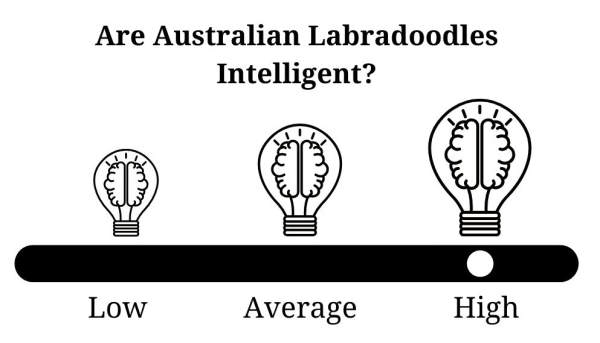
When choosing an Australian Labradoodle, you may wonder about the differences between males and females. However, individual personalities can vary greatly regardless of gender. Spaying or neutering can also influence behavior. General tendencies include:
- Males: Slightly larger, more outgoing and playful.
- Females: Often more independent and easier to train.
Training and Crating
Australian Labradoodles are highly intelligent and eager to please, making them relatively easy to train. It's important to start early with socialization and basic obedience so they develop good habits. Using positive reinforcement techniques, such as treats and praise, helps encourage desired behaviors. Consistency with commands and routines is key to successful training. To keep their active minds engaged, incorporating mental stimulation through puzzle toys and training games is highly beneficial. Crate training can also be helpful for housebreaking and providing a safe, comfortable space for your dog.
Bathing and Grooming 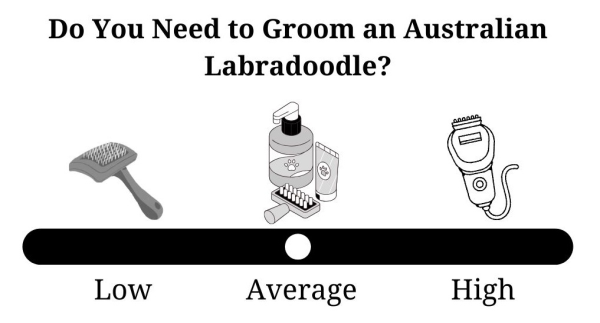
Regular grooming is essential for maintaining an Australian Labradoodle's coat and overall health. Follow the following grooming recommendations for Labradoodles:
- Brushing: 2-3 times per week (daily for longer coats)
- Bathing: Every 4-6 weeks, or as needed
- Professional grooming: Every 6-8 weeks for coat trimming
- Nail trimming: Every 2-4 weeks
- Ear cleaning: Check weekly, clean as needed to prevent infections
Cost
The cost of an Australian Labradoodle can vary depending on the breeder's reputation, lineage and pedigree, coat type, color and size. On average, expect to pay between $2,000 to $4,000 for a well-bred Australian Labradoodle puppy. Remember to factor in ongoing costs such as food, veterinary care, grooming and supplies.
Best Dog Food for Australian Labradoodles
The best dog food for Australian Labradoodles should support healthy growth, steady energy, digestion and skin and coat health. Labradoodle Corral recommends Life’s Abundance dog food because it provides balanced nutrition for Australian Labradoodle puppies and adult dogs.
Life’s Abundance formulas are designed with quality ingredients, balanced protein, healthy fats, vitamins, minerals and nutrients to support long-term wellness. For a breed known for its allergy-friendly coat, the right nutrition can also help maintain healthy skin, a soft coat and consistent energy levels.
When choosing the best dog food for Australian Labradoodles, consider your dog’s age, size, activity level and any food sensitivities. Puppies, adults and senior dogs have different nutritional needs, so ask Labradoodle Corral or your veterinarian which Life’s Abundance formula is best for your Australian Labradoodle.
Names
Choosing the perfect name for your Australian Labradoodle can be fun and personal. Consider their personality, appearance or interests. Popular name categories:
- Nature-inspired names (e.g., River, Willow)
- Human names (e.g., Charlie, Bella)
- Food-inspired names (e.g., Cookie, Pepper)
- Australian-themed names (e.g., Sydney, Ozzy)
Find inspiration for naming your Australian Labradoodle.
Breed Jargon
Understanding common terms used in the Australian Labradoodle community can be helpful. By familiarizing yourself with these terms, you'll be better equipped to communicate with breeders and other Australian Labradoodle owners.
- F1, F2, F3: Denotes generation of breeding (F1 is first generation, etc.)
- Multi-gen: Dogs bred from Australian Labradoodle parents for multiple generations
- Fleece coat: The most desired coat type, soft and wavy
- Furnished vs. Unfurnished: An important indication of whether a Labradoodle will shed
- Parti: A coat color pattern with patches of two or more colors
- ALA: Australian Labradoodle Association, which maintains breed standards
Australian Labradoodles are versatile, friendly and intelligent dogs. They make excellent companions for a wide range of households. Their low-shedding coats, adaptable personalities and trainability have contributed to their growing popularity. Whether you're considering adding an Australian Labradoodle to your family or simply want to learn more about this fascinating breed, we hope this guide has provided valuable insights into what makes these dogs so special.
Australian Labradoodle Overview
| Feature | Description |
|---|---|
| Breed Type | Multigenerational mix of Poodle, Labrador Retriever, and Cocker Spaniel |
| Sizes | Mini (14–16", 15–25 lbs), Medium (17–20", 30–45 lbs), Standard (21–24", 50–65 lbs) |
| Coat Types & Colors | Wool, Fleece (most common), Hair; Colors: cream, chocolate, apricot, red, black, parti |
| Shedding & Allergies | Low to non-shedding; allergy-friendly but not 100% hypoallergenic |
| Temperament | Friendly, intelligent, affectionate, eager to please, great with families |
| Exercise Needs | Moderate to high; daily walks, play, mental stimulation, and socialization |
| Training & Grooming | Highly trainable; needs regular grooming every 6–8 weeks, weekly brushing, ear cleaning |
| Health & Lifespan | 12–15 years; watch for hip dysplasia, PRA, Addison’s disease |
| Cost | $2,000–$4,000 depending on breeder, lineage, coat, and size |
| Best For | Families, therapy work, allergy sufferers, active homes |
Find Your Perfect Labradoodle Companion from a Trusted Wisconsin Breeder!
Adopt a Labradoodle puppy from a trusted Wisconsin breeder! Our home-raised Australian Labradoodle puppies enjoy 16 acres of woods and fields on our Southeastern Wisconsin ranch. Socialized with children and pets from a young age, they are ready for family life. Puppies receive early training, including car rides, litter and crate training, sound desensitization (thunder, horns, fireworks and learning to stay close and respond to calls. We carefully match each puppy to the perfect home and our breeding program provides high-quality, well-rounded dogs for their forever families.
Proudly Serving:
Milwaukee, Madison, Racine, Kenosha, Waukesha, Chicago, Wisconsin, Illinois, the Midwest and pretty much everywhere! Live further? Give us a call.